-
 Anglický jazyk
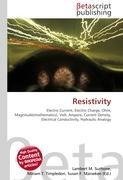
Resistivity
Autor: Lambert M. Surhone
High Quality Content by WIKIPEDIA articles! Electrical resistivity (also known as specific electrical resistance or volume resistivity) is a measure of how strongly a material opposes the flow of electric current. A low resistivity indicates a material that... Viac o knihe
Na objednávku
132.91 €
bežná cena: 139.90 €
O knihe
High Quality Content by WIKIPEDIA articles! Electrical resistivity (also known as specific electrical resistance or volume resistivity) is a measure of how strongly a material opposes the flow of electric current. A low resistivity indicates a material that readily allows the movement of electrical charge. The SI unit of electrical resistivity is the ohm metre (O m). The reason resistivity has the units of ohm-metres rather than the more intuitive ohm per metre (O/m) can perhaps best be seen by transposing the definition to make resistance the subject. The resistance of a given sample will increase with the length, but decrease with the cross sectional area. If one uses the common hydraulic analogy, pushing 5 gallons per minute through a garden hose would meet with some resistance. 5 gpm through a 4' diameter pipe would be relatively easy, requiring less pressure. Cross sectional area reduces resistance. Similarly, a 12 ft garden hose will fill a 5 gallon bucket in a certain amount of time. Filling the same bucket from the same spigot but with 500 feet of hose will fill the bucket in a significantly longer time. Length increases resistance.
- Vydavateľstvo: OmniScriptum
- Rok vydania: 2026
- Formát: Paperback
- Rozmer: 220 x 150 mm
- Jazyk: Anglický jazyk
- ISBN: 9786130319908






 Nemecký jazyk