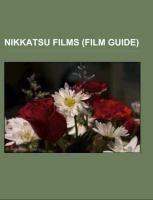

Nikkatsu films (Film Guide)
Source: Wikipedia. Commentary (films not included). Pages: 40. Chapters: Branded to Kill, Wife to Be Sacrificed, Rape! 13th Hour, Ichijo's Wet Lust, The World of Geisha, Watcher in the Attic, Tokyo Emmanuelle, Fairy in a Cage, Flower and Snake, Apartment... Viac o knihe
Produkt je dočasne nedostupný
16.38 €
bežná cena: 18.20 €
O knihe
Source: Wikipedia. Commentary (films not included). Pages: 40. Chapters: Branded to Kill, Wife to Be Sacrificed, Rape! 13th Hour, Ichijo's Wet Lust, The World of Geisha, Watcher in the Attic, Tokyo Emmanuelle, Fairy in a Cage, Flower and Snake, Apartment Wife: Affair In the Afternoon, Love Hunter, A Woman Called Sada Abe, Naked Seven, Pink Tush Girl, Alleycat Rock: Female Boss, Beauty's Exotic Dance: Torture!, Castle Orgies, Lovers Are Wet, Assault! Jack the Ripper, Lady Black Rose, Female Cats, Woman on the Night Train, Zoom In: Rape Apartments, Rope Cosmetology, Fascination: Portrait of a Lady, Angel Guts, Beads From a Petal, Rope and Skin, Cruelty: Black Rose Torture, Rope and Breasts, Subway Serial Rape: Lover Hunting, Retreat Through the Wet Wasteland, Office Lady Rope Slave, Invisible Man: Rape!, Attacked!!, Female Ninja Magic: 100 Trampled Flowers, Oryu's Passion: Bondage Skin, Lady Chatterley In Tokyo, Rope Hell, Lusty Sisters, Koichiro Uno's Wet and Swinging, Banned Book: Flesh Futon, Coed Report: Yuko's White Breasts, Newlywed Hell, Lady Moonflower, Pink Tush Girl: Love Attack, Female Convict 101: Suck, Erotic Diary of an Office Lady, Cloistered Nun: Runa's Confession, Woman with Red Hair, Tattooed Flower Vase, Itoshino Half Moon, Time Adventure: Zeccho 5-byo Mae. Excerpt: Branded to Kill Koroshi no rakuin) is a 1967 Japanese yakuza film directed by Seijun Suzuki and starring Joe Shishido, Koji Nanbara, Annu Mari and Mariko Ogawa. It was a low budget, production line number for the Nikkatsu Company, originally released in a double bill with Shogoro Nishimura's Burning Nature. The story follows Goro Hanada in his life as a contract killer. He falls in love with a woman named Misako, who recruits him for a seemingly impossible mission. When the mission fails, he becomes hunted by the phantom Number One Killer, whose methods threaten his sanity as much as his life. The studio was unhappy with the original script and called in Suzuki to rewrite and direct it at the last minute. Suzuki came up with many of his ideas the night before or on the set while filming, and welcomed ideas from his collaborators. He gave the film a satirical, anarchic and visually eclectic bent which the studio had previously warned him away from. It was a commercial and critical disappointment and Suzuki was ostensibly fired for making "movies that make no sense and no money". Suzuki successfully sued Nikkatsu with support from student groups, like-minded filmmakers and the general public and caused a major controversy through the Japanese film industry. Suzuki was blacklisted and did not make another feature film for 10 years but became a counterculture hero. The film grew a strong following, which expanded overseas in the 1980s, and has established itself as a cult classic. Film critics and enthusiasts now regard it as an absurdist masterpiece. It has been cited as an influence by filmmakers such as Jim Jarmusch, John Woo, Chan-wook Park and Quentin Tarantino. Thirty-four years after Branded to Kill, Suzuki filmed Pistol Opera (2001) with Nikkatsu, a loose sequel to the former. The company has also hosted two major retrospectives spotlighting his career. Goro Hanada, the Japanese underworld's third-ranked hitman, and his wife, Mami, fly into Tokyo and are met by
- Vydavateľstvo: Books LLC, Reference Series
- Formát: Paperback
- Jazyk:
- ISBN: 9781155374819
 Anglický jazyk
 Ruský jazyk
 Nemecký jazyk