-
 Anglický jazyk
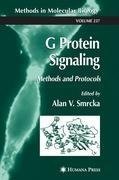
G Protein Signaling
Autor: Alan V. Smrcka
Since the initial discovery of the G protein-coupled receptor system that regulates cyclicAMP production, the G protein field has rapidly expanded. Cell surface receptors that couple to heterotrimeric G proteins, the G prote- coupled receptors (GPCRs), number... Viac o knihe
Na objednávku, dodanie 2-4 týždne
104.49 €
bežná cena: 109.99 €
O knihe
Since the initial discovery of the G protein-coupled receptor system that regulates cyclicAMP production, the G protein field has rapidly expanded. Cell surface receptors that couple to heterotrimeric G proteins, the G prote- coupled receptors (GPCRs), number in the hundreds and bind to a wide div- sity of ligands including, biogenic amines (e. g. , adrenaline), lipid derivatives (e. g. , lysophosphatidic acid), peptides (e. g. , opioid peptides), proteins (e. g. , thyroid-stimulating hormone), and odorants to name a few. The GPCR system is found throughout biology in such simple organisms as yeast and in such more complex organisms as Dictyostelium discoideum (slime mold), Caen- habditis elegans (nematode worm), and of course in humans. GPCRs and their associated G protein systems are the subject of intense academic research and because of their involvement in a human biology and disease, the pharmac- tical industry has large research initiatives dedicated to the study of GPCRs. By some estimates, more than 50% of the pharmaceuticals on the market are targeted at GPCRs. The G protein/G protein-coupled receptor system consists of a receptor (GPCR), a heterotrimeric G protein consisting of ?, ?, and ? subunits, and an effector. G protein effector molecules, such as enzymes or ion channels, respond to acti- tion by the G protein to generate second messengers or changes in membrane potential that lead to alterations in cell physiology.
- Vydavateľstvo: Humana Press
- Rok vydania: 2010
- Formát: Paperback
- Rozmer: 235 x 155 mm
- Jazyk: Anglický jazyk
- ISBN: 9781617373817