-
 Anglický jazyk
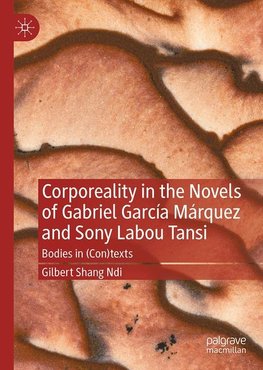
Corporeality in the Novels of Gabriel García Márquez and Sony Labou Tansi
Autor: Gilbert Shang Ndi
This project is an important intervention into comparative readings of African and Latin American culture. It reads Tansi and García Márquez for the various ways in which bodies and physicality bear the register of postcolonial histories... Viac o knihe
Predpokladaný dátum vydania: 14.1.2026
128.69 €
bežná cena: 142.99 €
O knihe
This project is an important intervention into comparative readings of African and Latin American culture. It reads Tansi and García Márquez for the various ways in which bodies and physicality bear the register of postcolonial histories and experiences, including the trans-Atlantic slave trade, colonial exploitation, and the continuities of bodily violence and exploitation between the colonial past and the postcolonial present. Shang Ndi argues that an examination of the subaltern body provides a particularly privileged window into the two authors’ explorations of the operations of political power in the postcolony as well as anchoring their novelistic aesthetics in explorations of excess, the scatological, the precarious, and the abject. The analysis toggles between discussions of García Márquez and Labou Tansi, around dehumanized bodies, the body in and at war, the dead body, the emaciated body, and the dictator’s body. It reads the range of novels by each author carefully for extensive textual evidence of each of the thematic elements, drawing from postcolonial theory, philosophy and existing criticism for its analysis. This timely book represents a compelling addition the emerging area of South-South comparison by illuminating interwoven literary practices of two of the twentieth century’s most important writers. — Lanie Millar, Associate Professor of Spanish and Portuguese at the University of Oregon, US.
This book explores the significance of corporeality in postcolonial literature through a "South-South" comparison of the work of Colombian author Gabriel García Márquez and Congolese author Sony Labou Tansi. It argues that the body represents a basic trope in imagining postcolonial power in the postcolony. Organized thematically, the chapters compare these authors' novels in relation to the dehumanised body, bodies at war, the dead body, the body in relation to borders, and the dictator's body. It taps into the growing critical interest in bringing Latin American and African literatures into conversation with each other.
Gilbert Shang Ndi is Professor of Romance Literature and Comparative Studies at the University of Bayreuth, Germany.
- Vydavateľstvo: Springer-Verlag GmbH
- Rok vydania: 2026
- Formát: Hardback
- Rozmer: 210 x 148 mm
- Jazyk: Anglický jazyk
- ISBN: 9783032018014


 Nemecký jazyk
 Ruský jazyk