-
 Anglický jazyk
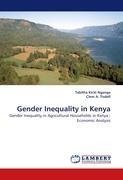
Gender Inequality in Kenya
Autor: Tabitha Kiriti Nganga
This book analysed the female participation in household decision-making in agricultural households in Kenya; discussed and analysed the migration of husbands to urban areas and role of remittances; discussed the process of agricultural commercialisation,... Viac o knihe
Na objednávku, dodanie 2-4 týždne
77.24 €
bežná cena: 81.30 €
O knihe
This book analysed the female participation in household decision-making in agricultural households in Kenya; discussed and analysed the migration of husbands to urban areas and role of remittances; discussed the process of agricultural commercialisation, its effects and that of marital status of women on land use practices; analysed the effect of urban policy bias, commercialisation and marital status on food purchases and food availability; analysed the determinants and effects of family size and gender preference. The study found that married women participate little in household decision-making and bargaining models have little explanatory power in patriarchal societies. The book concludes that gender inequality is a lifelong burden on women's self- esteem and capabilities. It thwarts women's aspirations and restricts their opportunities and denies them the experience that would build competence and self-direction, and enable equal partnerships with men. Hence, raising the status of women through empowerment would improve women's lives, and contribute alot to the society's overall social, political and economic development.
- Vydavateľstvo: LAP LAMBERT Academic Publishing
- Rok vydania: 2010
- Formát: Paperback
- Rozmer: 220 x 150 mm
- Jazyk: Anglický jazyk
- ISBN: 9783838341897